10 Inspiring Images About Mesothelioma Death Compensation


Mesothelioma Death Compensation
Compensation from mesothelioma money settlements from lawsuits, lawsuit settlements, or court verdicts may pay for medical costs and lost earnings. Compensation may also cover non-economic damages like pain and discomfort.
An attorney for mesothelioma can assist patients in getting the compensation they are entitled to. Attorneys are usually hired to negotiate with defendants on behalf their clients.
Pericardial Mesothelioma
A mesothelioma of the pericardial region is a malignant tumor that grows around the heart. Like other mesothelioma types that are caused by exposure to asbestos. Symptoms of pericardial msothelioma include chest pain, fluid accumulation and other signs. It is a challenge for doctors to diagnose because the disease has a late beginning and is not specific.
A physician may notice symptoms and signs of pericardial cancer during a physical examination. The doctor will order imaging tests to determine the cause of the problem. These tests can include the use of a CT scan or MRI. If they find the presence of a tumor or fluid they may decide to perform a biopsy. This involves removing a small amount of tissue from the affected area to determine if mesothelioma is present.
The treatment options for pericardial mesothelioma is limited. The reason is that the pericardium rests close to the heart, making surgery more challenging. Doctors are constantly improving their surgical methods for pericardial mesothelioma. They also offer palliative care to alleviate symptoms and slow cancer's progression.
If someone is diagnosed with pericardial cancer, they should seek treatment from an expert. These experts know the intricacies of this rare cancer and can effectively treat it. They can also provide you with access to the latest treatments and clinical trials which could improve your chances of survival.
Patients with pericardial pleural mysothelioma must be treated by multidisciplinary teams of skilled specialists in tertiary centres for mesothelioma. They should also participate in ongoing research studies. This will ensure they have the greatest chance of receiving the most modern treatment available.
The life expectancy of mesothelioma pericardial is six months, which is less than the pleural mesothelioma. It is crucial to seek treatment from a specialist, as this can make a big difference in the treatment outcome of a patient.
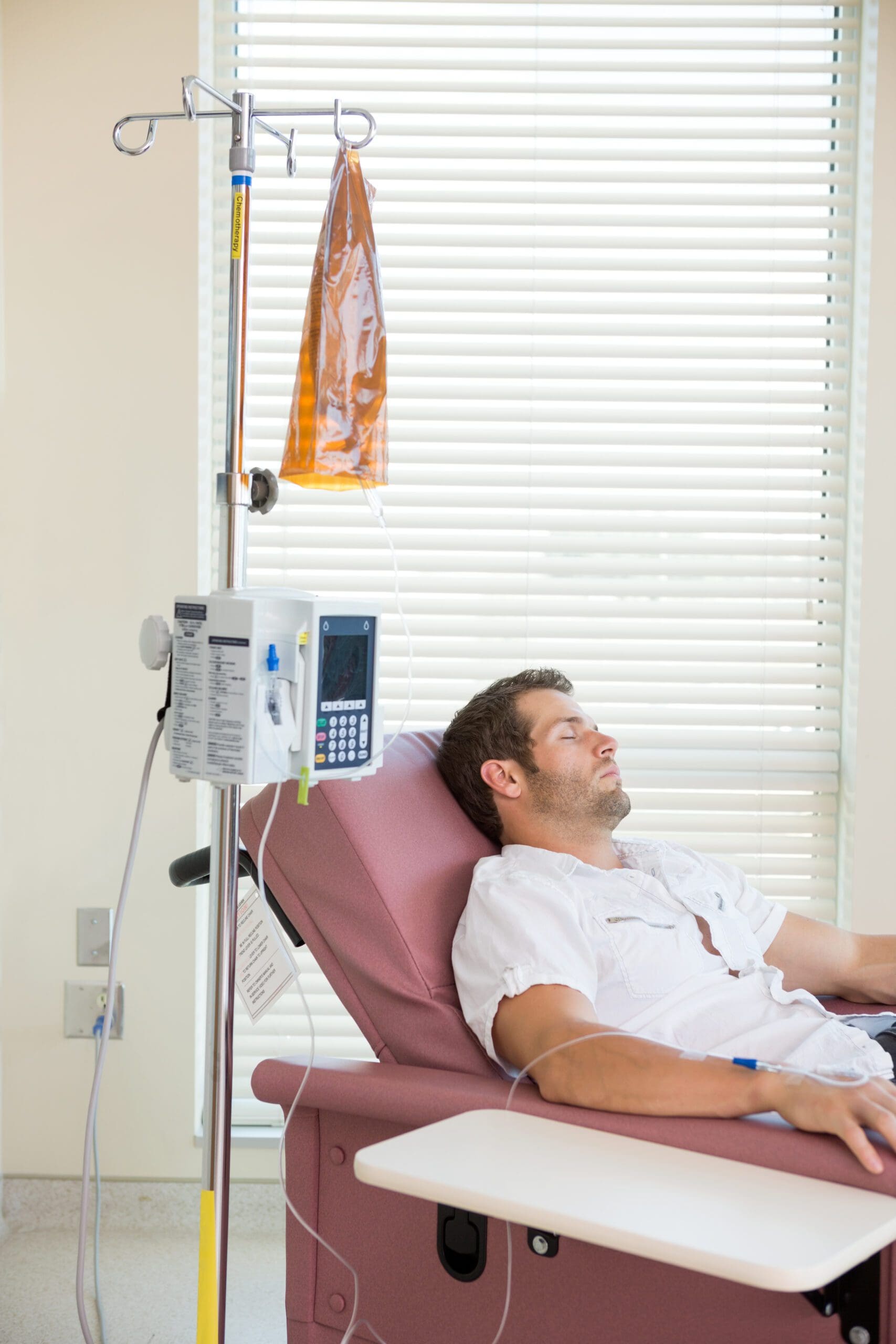
Mesothelioma suits seek to compensate past, future, and pain-and-suffering medical expenses as well as lost income. These damages are broken down into economic and noneconomic damage. Economic damages include medical expenses funeral expenses, medical costs and loss of household services. Noneconomic damages include mental anguish as well as emotional distress. A mesothelioma suit may also award punitive damages to punish the defendant.
Pleural mesothelioma
Pleural mesothelioma, a form of cancer, that develops in the tissue (pleura) of the lungs. Mesothelioma can also occur in the linings of organs of the abdomen (peritoneum), and the linings of the heart (pericardium). Exposure to asbestos is the cause of mesothelioma. People exposed to asbestos at work are at risk of developing the cancer.
Mesothelioma symptoms are not likely to manifest until the disease is at an advanced stage. It is therefore difficult to diagnose. In addition, symptoms could be similar to a range of other conditions.
A physical examination and a review of your medical records are used to make an assessment. A biopsy is needed to confirm the diagnosis of mesothelioma. The doctors can collect mesothelioma samples by making a small incision into the chest wall and then inserting a thoracoscope tube into the space between the ribs. The thoracoscope is attached to a camera which allows doctors to look inside the chest cavity.
The treatment for pleural melanoma varies depending on the stage and patient characteristics. Your options can be discussed by a multidisciplinary group of doctors. The team could comprise surgeons, pulmonologists, oncologists and radiation oncologists. In some cases patients are able to undergo experimental therapy via clinical trials.
The prognosis of pleural Mesothelioma can be poor. On average, patients have less than 18 months to live after receiving their diagnosis. But, every patient is different and has their own survival rate. Some survivors have lived for more than 20 years after their diagnosis. Palliative treatment can help manage symptoms and improve the quality of life.
Thoracic mesothelioma
A person suffering from thoracic asbestosis is cancer that affects the tissue around the lung. The disease is typically found in the two layers of tissue that surround the lungs - known as the pleura. The pleura releases fluid that aids the lungs to expand when breathing in. Mesothelioma tumours can infiltrate the pleura and the underlying lung and chest wall tissue.
The diagnosis of mesothelioma can be determined based on symptoms such as medical history, physical examination as well as blood tests and CT scans. These scans produce detailed images of the affected region. They can detect anomalies, like a lump or a pleura that is thickening. They can also determine the location of a mesothelioma tumor. A biopsy is taken and examined under the microscope to confirm the diagnosis of mesothelioma.
Patients suffering from mesothelioma typically experience chest pain. This can cause difficulty breathing and coughing. It can also cause an increase in appetite and weight loss. Some sufferers have trouble sleeping. who is eligible for mesothelioma compensation with mesothelioma could have a poor prognosis. However, this may differ widely among individuals dependent on the nature and stage of the cancer at the date of diagnosis. The prognosis for a patient is also affected by factors such as age and general health.
Chemotherapy, surgical treatment or immunotherapy are options to treat patients suffering from asbestosis thoracic. These treatments can extend the lifespan of a patient by 10 years or even more. However there is no cure yet been found for this rare and deadly disease.
Despite the best efforts by nurses and doctors mesothelioma can be a fatal disease. Some die because the illness is so severe, but some die because mesothelioma is misdiagnosed. Researchers from England and Wales discovered that between 2005 and the year 2010, 12 percent of mesothelioma patients were incorrectly recorded on death certificates as having died from lung cancer or unspecified cancers.
Mesothelioma is often difficult to diagnose because it develops in the tissues that surround the lung and chest wall. The symptoms are often mistaken for those of other respiratory ailments like asthma or pneumonia. Mesothelioma, an aggressive cancer, is usually diagnosed at a later stage when it is already difficult to treat.
Venous mesothelioma
Venous mesothelioma occurs more frequently than pleural mesothelioma and usually occurs in the protective tissue around the lungs. It is often mistaken for lung cancer or pneumonia. Many patients are misdiagnosed and do not find out until the illness is advanced. By the time most victims are diagnosed, they've already died.
X-rays and CT scans are common tests that doctors use to look for symptoms of mesothelioma. If these tests show tumors, or fluid accumulation around the lungs, they could require more precise imaging scans, such as PET and MRI. They may also conduct a series of tests on blood that measure the levels of asbestos-related proteins.
A biopsy is needed to confirm the diagnosis of mesothelioma. The procedure involves removing a small amount of tissue from the affected area and then examining it under a microscope to determine the presence of malignant cells. Mesothelioma is a type of cancer that may be spread to other parts of the body. In some instances, mesothelioma can grow into the tissue of the abdomen or heart.
The most popular mesothelioma treatment options involve chemotherapy, surgery, and radiation therapy. The surgical procedures to treat mesothelioma involve removal of cancerous tissue and/or insertion of implants. Radiation is a different option and it targets a strong beam of energy, typically an X-ray, on the area where cancerous cells are. The final step is to use powerful drugs to destroy mesothelioma tumors and prevent them from growing again.
Despite these treatments there is no cure for mesothelioma. A lot of people diagnosed with mesothelioma die from complications caused by the cancer. They can suffer from pneumonia and respiratory failure. Some victims die from heart complications, because the cancer may spread into the pericardium. This is a sac around the heart.
A diagnosis of mesothelioma can be a huge burden for the family members of a patient. They may need assistance with grief, legal issues and household chores. Local support groups and resources are readily available to help. For instance, some provide lodging programs, medical transportation services as well as information call centers and assistance with daily tasks. Some of these resources are free or low-cost for mesothelioma victims and their families.